
The Essentials of Building Strip Out IT Services and IT Infrastructure Removal
- lisadymott
- May 19
- 4 min read
When a business decides to relocate, renovate, or upgrade its premises, one critical task is the removal of existing IT infrastructure. This process, known as IT infrastructure removal, requires careful planning and execution. It ensures that valuable equipment is handled properly, sensitive data is protected, and the site is prepared for new installations. In this article, we will cover the essentials of building strip out IT services and IT infrastructure removal, providing practical advice for businesses of all sizes, especially those in the commercial property sector.
Understanding IT Infrastructure Removal
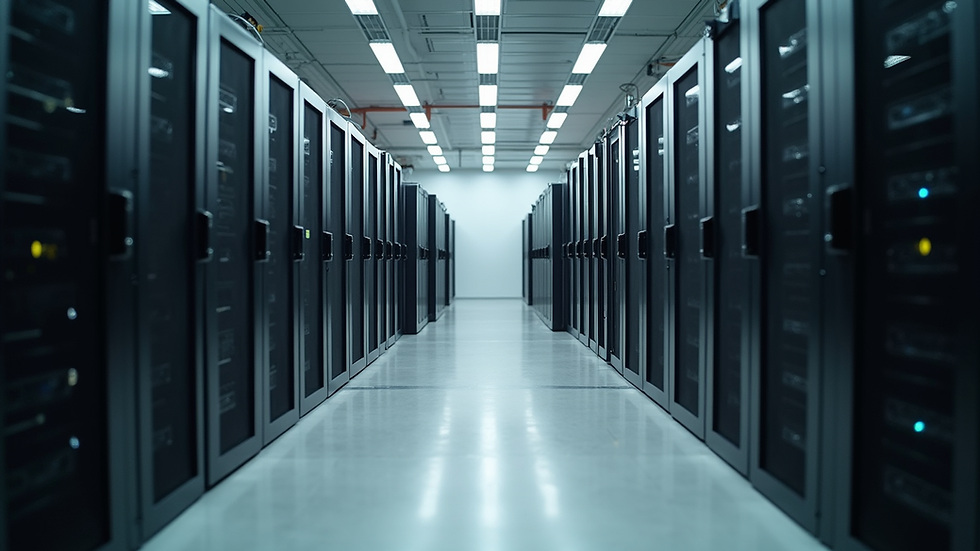
IT infrastructure removal involves dismantling and extracting all IT-related equipment and cabling from a building. This includes servers, networking hardware, telecommunication systems, audio-visual equipment, and associated wiring. The goal is to clear the space efficiently while maintaining the integrity of the equipment and data security.
Proper IT infrastructure removal is essential for several reasons:
Protecting sensitive data: Equipment often contains confidential information that must be securely handled.
Preserving valuable assets: Many components can be reused, resold, or recycled.
Preparing the site: Clearing the infrastructure allows for smooth renovations or new installations.
Compliance: Following legal and environmental regulations during disposal.
A well-managed removal process minimises downtime and disruption to business operations. It also reduces the risk of damage or loss.
Planning for IT Infrastructure Removal
Effective planning is the foundation of successful IT infrastructure removal. It involves several key steps:
Assessment
Conduct a thorough audit of all IT equipment and cabling. Identify what needs to be removed, what can be reused, and what requires secure disposal.
Data Security
Ensure all data is backed up and wiped from devices before removal. This step protects against data breaches and complies with data protection laws.
Scheduling
Plan the removal to minimise impact on business activities. Coordinate with other departments and contractors involved in the building project.
Resource Allocation
Assign skilled personnel or hire professional services experienced in IT strip out. Use appropriate tools and transport for safe handling.
Documentation
Keep detailed records of removed equipment, including serial numbers and condition. This helps with asset management and future audits.
Compliance and Disposal
Follow environmental guidelines for disposing of electronic waste. Use certified recycling services to reduce environmental impact.
By following these steps, businesses can ensure a smooth and secure IT infrastructure removal process.
What is Building Stripping?
Building stripping refers to the process of removing all internal fixtures, fittings, and services from a building. This includes IT infrastructure, electrical systems, plumbing, and other installations. The purpose is to prepare the building for refurbishment, demolition, or repurposing.
In the context of IT, building stripping focuses on the removal of all technology-related components. This is a specialised task because IT equipment is often delicate, valuable, and contains sensitive data. It requires technical knowledge and careful handling.
Building stripping is not just about demolition; it is about controlled removal. It involves:
Disconnecting and dismantling IT hardware safely.
Removing cabling without damaging the building structure.
Ensuring all equipment is accounted for and handled according to company policies.
Coordinating with other trades to avoid conflicts during the stripping process.
Understanding building stripping helps businesses plan better for IT infrastructure removal and ensures that the process aligns with overall building works.

Key Considerations for Building Strip Out IT Services
When engaging in building strip out IT services, several factors must be considered to achieve the best results:
Expertise and Experience
IT infrastructure removal requires specialised skills. It is important to work with professionals who understand the technical aspects of IT systems and the risks involved. Experienced teams can identify potential issues early and apply best practices.
Security Measures
Security is paramount. All data storage devices must be securely wiped or destroyed. Access to sensitive equipment should be controlled throughout the removal process. Confidentiality agreements may be necessary for contractors.
Equipment Handling
IT equipment is often fragile and expensive. Proper packing, transportation, and storage are essential to prevent damage. Label all items clearly to facilitate future reuse or resale.
Environmental Responsibility
Electronic waste contains hazardous materials. Responsible disposal and recycling reduce environmental harm. Ensure compliance with local regulations and use certified e-waste handlers.
Communication and Coordination
Clear communication between all parties involved is critical. This includes IT teams, building contractors, management, and external service providers. Regular updates and coordination meetings help avoid delays and misunderstandings.
Cost Management
Plan the budget carefully. Consider costs for labour, transportation, disposal, and potential downtime. Investing in professional services can save money by reducing risks and improving efficiency.
By addressing these considerations, businesses can ensure that building strip out IT services are conducted smoothly and effectively.
Practical Steps to Implement Building Strip Out IT Services
To implement building strip out IT services successfully, follow these practical steps:
Initial Consultation
Engage with a specialist provider to discuss your requirements and constraints.
Site Survey
Conduct a detailed survey to map out all IT assets and infrastructure.
Removal Plan Development
Create a step-by-step plan covering timelines, responsibilities, and safety measures.
Data Backup and Security
Ensure all critical data is backed up and devices are prepared for removal.
Physical Removal
Carefully dismantle and remove equipment, starting with peripheral devices and moving to core infrastructure.
Inventory and Documentation
Record all removed items, noting their condition and destination.
Disposal or Redeployment
Arrange for secure disposal or redeployment of equipment as per company policy.
Site Clearance
Ensure the site is clean and ready for the next phase of building work.
Post-Removal Review
Conduct a review to identify lessons learned and improve future processes.
Following these steps helps maintain control over the process and ensures compliance with all necessary standards.
Enhancing Business Operations Through Effective IT Infrastructure Removal
Efficient IT infrastructure removal is more than just clearing space. It is an opportunity to enhance business operations by:
Reducing downtime: Well-planned removal minimises disruption.
Improving security: Proper data handling protects business information.
Optimising asset management: Accurate records support better decision-making.
Supporting sustainability: Responsible disposal aligns with corporate social responsibility goals.
Facilitating upgrades: Clearing old infrastructure paves the way for modern technology.
By investing in professional building strip out IT services, businesses can transform their IT environment efficiently and securely. This approach supports long-term growth and resilience in a fast-paced digital world.
This overview of the essentials of building strip out IT services and IT infrastructure removal provides a clear framework for businesses preparing for change. By focusing on planning, security, expertise, and environmental responsibility, organisations can navigate this complex process with confidence and success.


Comments